
What is Pharmacovigilance and Its Importance?

PV

In an era of rapid pharmaceutical innovation, ensuring patient safety has become more complex than ever. While new treatments offer hope, they also bring the challenge of monitoring long-term risks in the real world. This is where Pharmacovigilance plays a pivotal role—turning raw data into life-saving insights. Below, we explore the fundamental 'What' and 'Why' of pharmacovigilance and how smart systems like ARS PV are empowering the industry to stay one step ahead of drug-related risks.

In this blog, we answer ‘What is pharmacovigilance?’ and explore its vital role in safeguarding patient safety and public health.
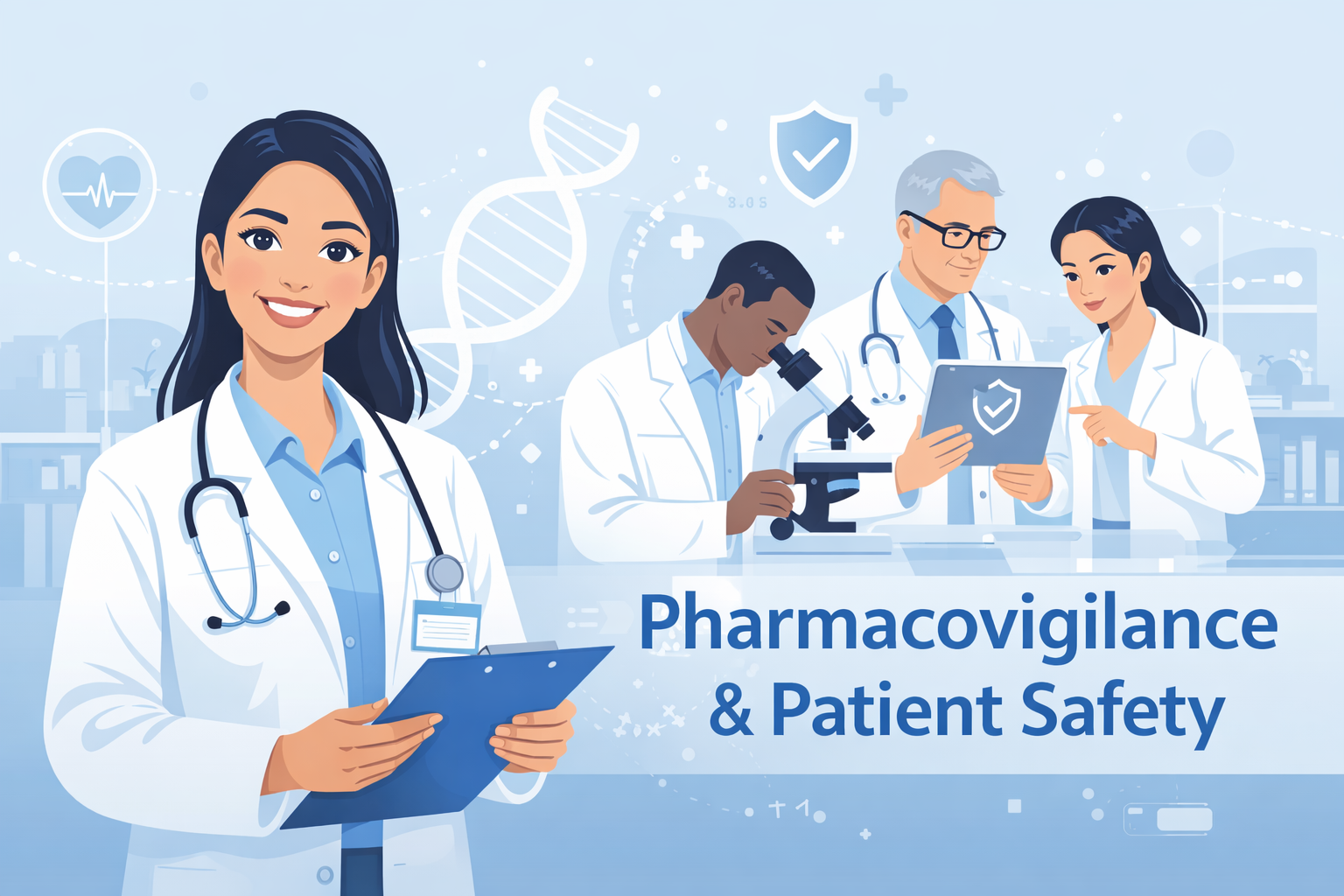
Pharmacovigilance is the science and practice of detecting, assessing, understanding, and preventing adverse effects or any other drug-related problems. Its primary goal is to ensure that medicines on the market remain safe, effective, and beneficial throughout their lifecycle.

Pharmacovigilance activities begin during clinical trials and continue long after a drug is approved and used by real-world patients. Even after approval, medicines may reveal rare side effects, long-term risks, or interactions that were not evident earlier. This is where a strong pharmacovigilance database software becomes essential.

Modern pharmacovigilance relies heavily on digital solutions such as pharmacovigilance software platforms and PV databases to collect, analyze, and report adverse drug reactions efficiently. These systems help pharmaceutical companies, CROs, and regulatory authorities make informed safety decisions.
Pharmacovigilance acts as the "watchman" of the pharmaceutical world, ensuring that the benefits of a drug continue to outweigh its risks.

Pharmacovigilance supports drug safety across multiple stages and stakeholders in healthcare. Its key applications include:
Adverse Drug Reaction (ADR) Monitoring One of the core functions of pharmacovigilance is identifying and evaluating ADRs reported by healthcare professionals, patients, and clinical studies. Advanced tools like ARS PV (Advanced Reporting System for Pharmacovigilance) enable faster and more accurate case intake, ensuring no critical safety signal is missed.
Signal Detection and Risk Management

Pharmacovigilance professionals analyze large volumes of data stored in a pharmacovigilance database to detect safety signals early. These signals help determine whether a drug poses new or increased risks and whether regulatory action is required.

Benefit–Risk Assessment

Drugs are evaluated continuously to ensure that their benefits outweigh potential risks. This assessment is supported by pharmacovigilance and drug safety software, which allows structured analysis and trend identification.

Regulatory Reporting

Timely and accurate submission of safety reports to regulatory authorities such as WHO, FDA, EMA, and local health agencies is a critical application of pharmacovigilance systems.

Post-Marketing Surveillance

After a drug enters the market, real-world usage may uncover rare or long-term adverse effects. A reliable pharmacovigilance software platform helps organizations track these outcomes and take corrective action when needed.

Pharmacovigilance is not just a regulatory requirement—it is a patient safety necessity. Without it, harmful drug effects could go unnoticed, leading to preventable illnesses or fatalities.
Post-Marketing Surveillance

The primary importance of pharmacovigilance lies in preventing harm to patients. Early detection of ADRs allows healthcare providers and manufacturers to issue warnings, update labels, or withdraw unsafe products.

Improving Public Health Outcomes

Effective pharmacovigilance systems reduce hospitalizations, treatment failures, and healthcare costs by identifying unsafe medicines early. This contributes to better public trust in healthcare systems.

Supporting Informed Medical Decisions

Accurate safety data helps doctors, pharmacists, and patients make informed choices about treatments, dosage, and alternatives.

Enhancing Drug Development

Insights from pharmacovigilance help pharmaceutical companies improve future drug development, formulation, and risk mitigation strategies.

Global health authorities mandate strict pharmacovigilance practices to ensure drug safety. Failure to comply can result in severe penalties, product recalls, or loss of market authorization.
Regulatory bodies require:

* Timely adverse event reporting

* Periodic safety update reports (PSURs)

* Risk management plans (RMPs)

* Continuous safety monitoring


Using an advanced solution like ARS PV, organizations can automate reporting workflows, maintain audit-ready documentation, and stay compliant with international regulations. A centralized pharmacovigilance database software ensures data integrity, traceability, and regulatory alignment across regions. Digital platforms also reduce manual errors, improve efficiency, and support scalability as regulatory demands evolve.

Improving Public Health Outcomes

Effective pharmacovigilance systems reduce hospitalizations, treatment failures, and healthcare costs by identifying unsafe medicines early. This contributes to better public trust in healthcare systems.

Supporting Informed Medical Decisions

Accurate safety data helps doctors, pharmacists, and patients make informed choices about treatments, dosage, and alternatives.

Enhancing Drug Development

Insights from pharmacovigilance help pharmaceutical companies improve future drug development, formulation, and risk mitigation strategies.

Choosing the Right Technology Partner

The transition to digital safety monitoring requires a partner who understands both technology and toxicology. ARS PV offers a streamlined, automated approach to case intake and reporting. Whether you are a small biotech firm or a global pharmaceutical giant, having a reliable pharmacovigilance and drug safety software is the best investment you can make for your brand’s reputation and patient trust.

Conclusion

Pharmacovigilance is the backbone of the healthcare industry. As the VigiBase statistics show, the stakes are incredibly high. By combining medical expertise with powerful tools like the ARS PV platform from Yuva Infocare, we can turn the tide against adverse drug reactions and create a safer future for patients worldwide.